
Do not 'do research'
Instead, be a curious human

For someone that runs a research business, you may be surprised to know that, more often than not, I actually quite dislike research.
Because ‘research’ makes me think of something traditional, ordered - question and answer sessions:
Participants walk into a room.
There’s a script, some soggy sandwiches, and a mirror where they know they’re being judged by strangers.
They’re told, before they even start, specifics about what they’re trying to find out.
There are questions.
There’s a sense that something is being ‘done’ and specific answers are needed.
Participants know what’s expected of them and so they behave accordingly.
Which means the opportunity to understand how people really feel about a specific area, and also the wider areas that impact it, is missed.
For the best research outputs, don’t do research
We believe the best human-led insights rarely emerge when everything feels like research.
We believe they are unearthed when people feel at ease.
That ease can come from time.
Spending longer with people.
Letting things unfold.
Seeing what happens when life just carries on.
Or it can come from how you frame your interaction with participants.
What you call the interactions.
How you frame them.
How much you control, dictate or set ground rules (or don’t).
The role of compliance
On some of our projects, of course, we have to call it research.
And from a compliance point of view, that does matter.
But when we’re with people, we don’t talk about it like that.
We talk about it as:
An investigation into something
A way of understanding a part of life
A celebration of a product or behaviour
We almost never tell participants the brand that we are investigating unless there is a specific need.
We may tell them that we’re investigating a particular category, but generally we’ll never go into more detail than that.
For some briefs, we include red herring questions in screeners. If it’s a brief about automotive for example, of course we’ll ask about car ownership and income in the screener, but we’ll also ask about what their favourite washing powder is or their favourite content provider so that they don’t really know why we’re speaking to them.
That gives us an opportunity to understand the role of the category and the specific brand in the context of their wider lives without biassing them.
Being inspired by the best curious humans
We’ve been experimenting with this more in our proposals and projects.
Treating projects less like research studies, and more like something closer to cultural journalism.
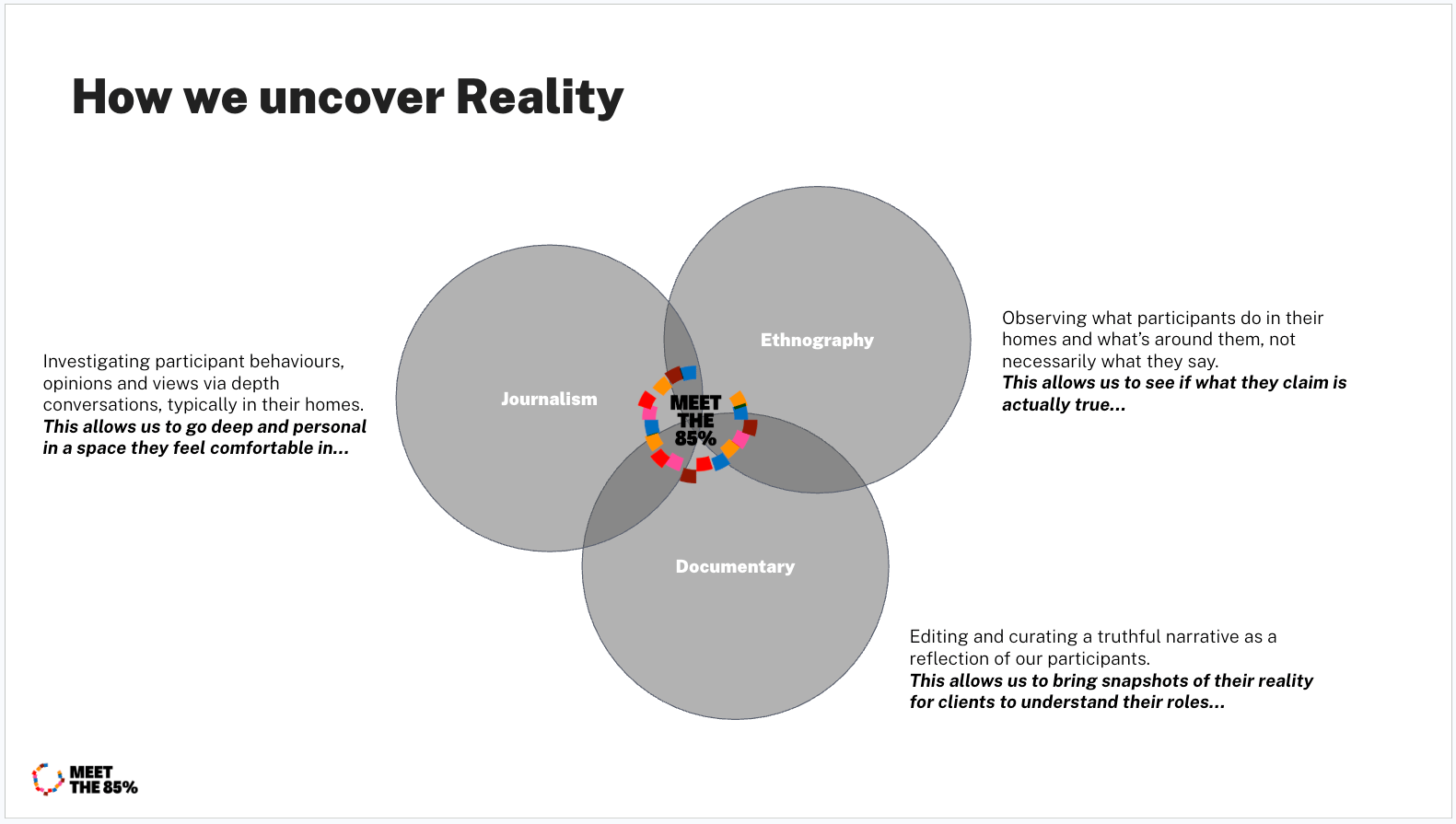
A journey around Britain.
Time spent in homes, pubs, walking the dog, cafes, or shops.
Observing, having natural conversations and not interrogating.
More Louis Theroux than ‘Research Moderator’.
More Martin Parr than ‘Commercial Photographer’.
(And don’t get us wrong, we’re still also being inspired by the Pierre Bourdieu’s and Tony Parker’s of this world.)
The best thinkers think similarly
And from our recent project on the APG, looking at how the best award-winning strategists unearth strategy magic, a few key quotes jumped out at us relating to this line of thinking:
"I don’t like focus groups at all. I think people are always putting on a persona in a focus group… They’re either trying to please or trying to be deliberately obstinate and contrarian."
Frances Gibbs (talking about Very)
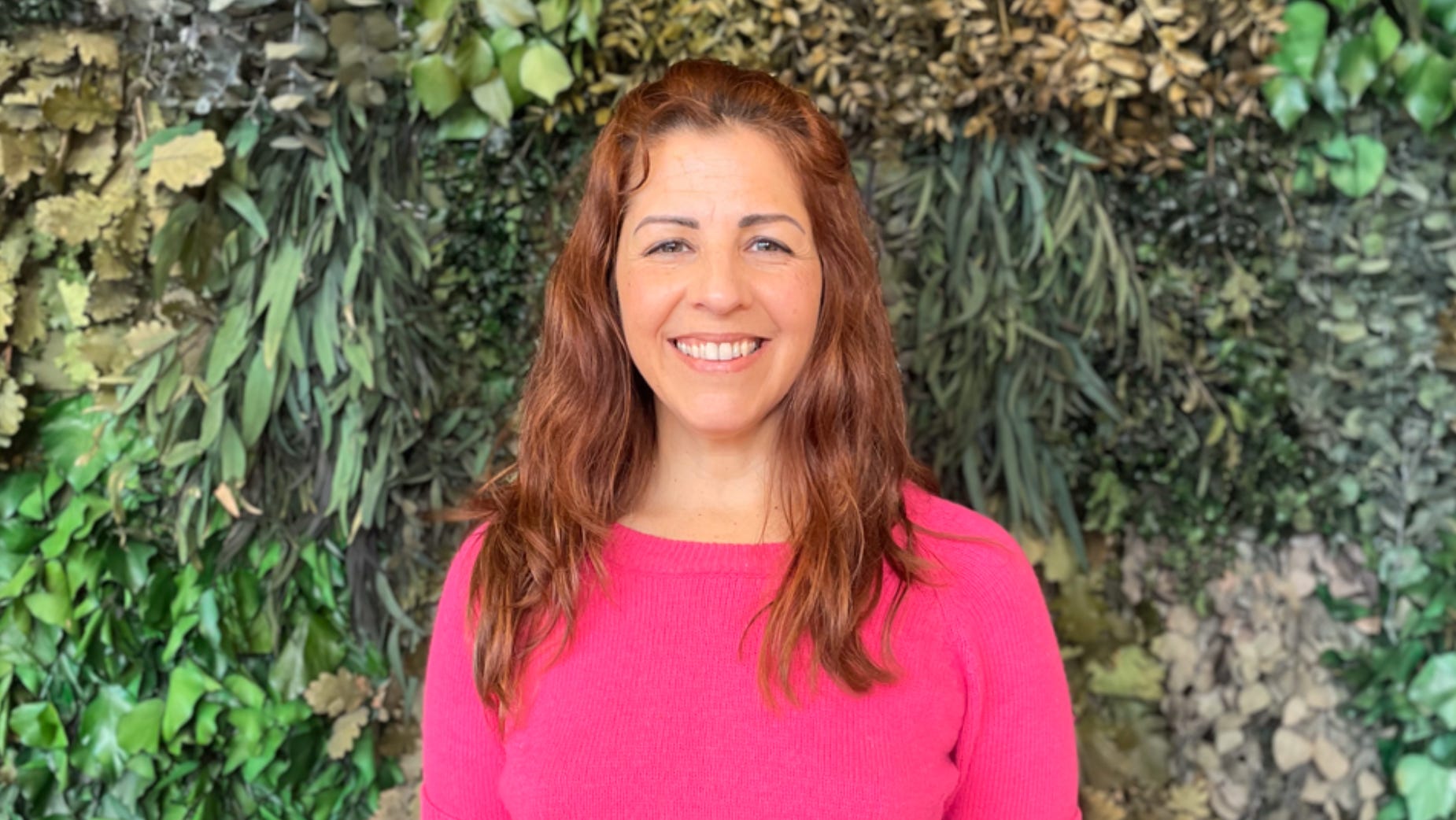
Frances there, talking about focus groups. We are not anti-focus group, and we do run them ourselves, but they’re more useful for certain things and less useful for others. Yet we find they’re the go-to methodology for the wrong kind of investigation. The default research, the catch-all for any kind of research. As with all methodologies, they have their pros and cons.
“We go into conversations with no pre-prepared questions… we don’t know what we want to ask until we ask the first question and then your answer to the first question will then take us somewhere else.”
Craig Mawdsley (talking about Poppy’s)
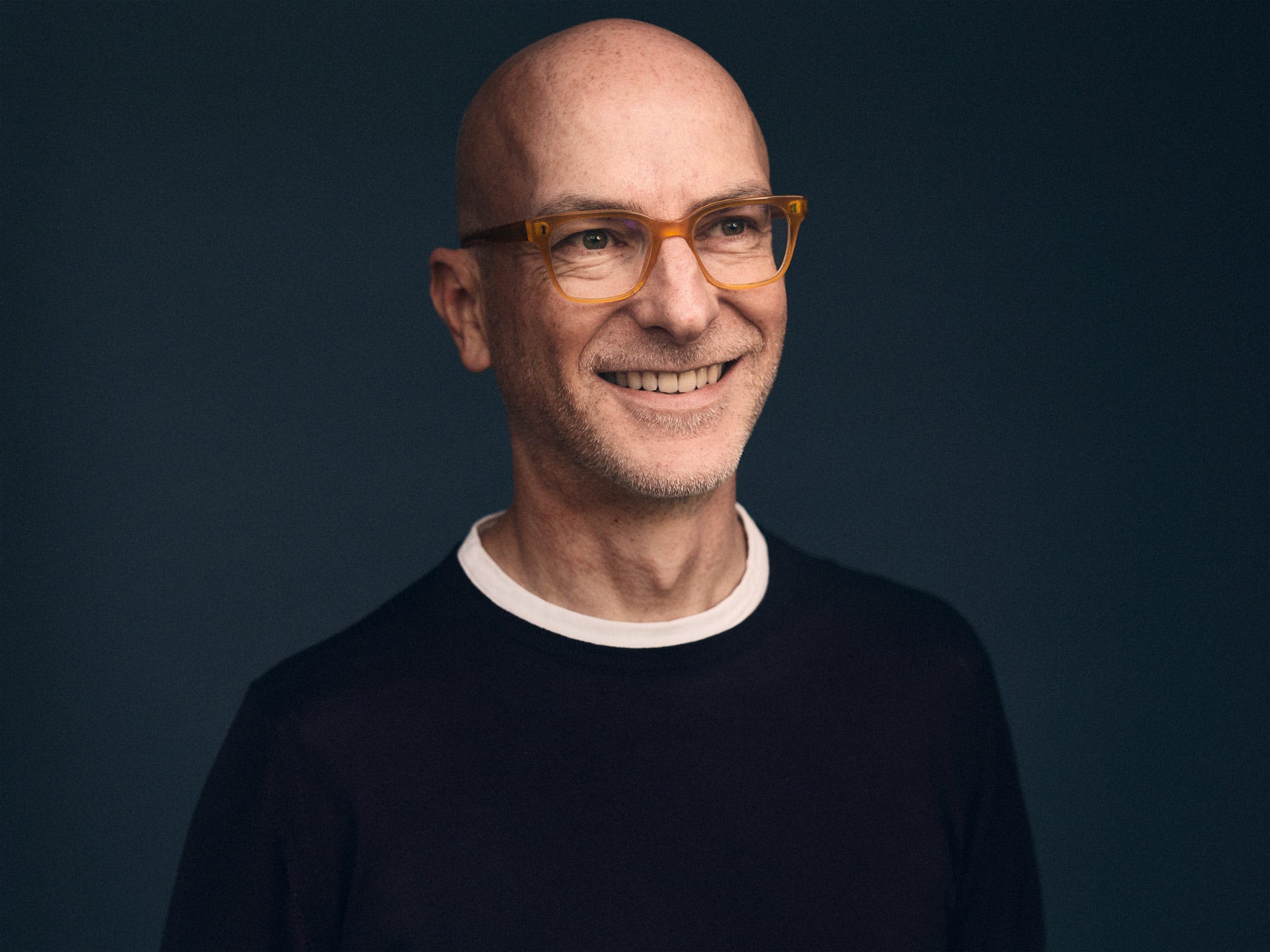
Craig above is talking about having a loose conversation guide. This is something we do as a matter of course at Meet the 85%. When we first share our conversation guides with clients, they’re a bit surprised because the way that we lay them out is more how real human beings have conversations. Ebb and flow, speed up and slow down, jump from one area to another.
We believe a discussion guide laid out in a word file that’s in a linear format with a beginning, a middle, and an end is not the way to go . That’s just not how natural human behaviour plays out when it comes to conversations. More useful for an online focus group but not when you’re sat down, spending depth time and having depth conversations with real people, moving about spaces with others coming in and out of the conversation.
“I’d always done it… with partners and... with clients who were there with clipboards and an interpreter and a cameraman and just, it felt very much like research... I wanted to get out there and do it myself.”
Tass Tsitsopoulos (talking about McDonald’s)
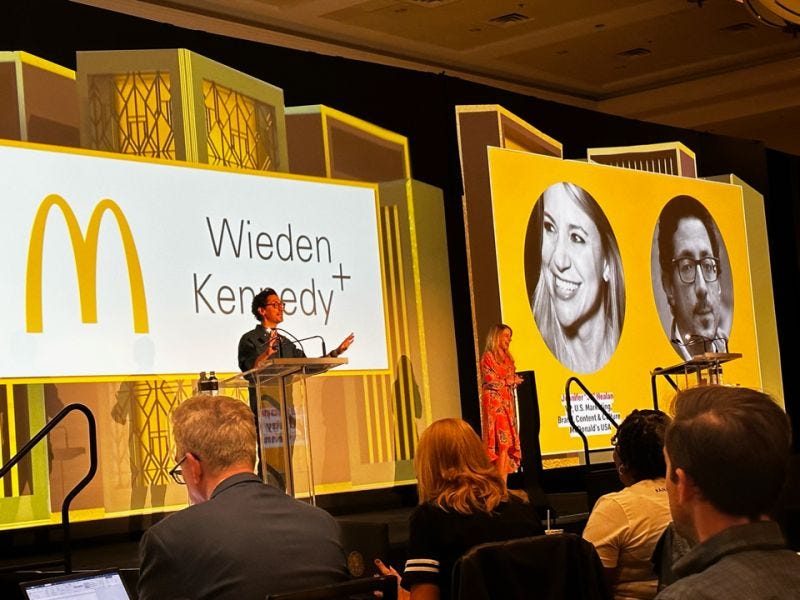
Tass here, really speaking to us because it’s essentially why we set the business up: to make research not feel like research.
We talk about the first phase of a depth visit being really important:
The entrance to the space
The body language
The setup of the kit
When you get the camera out
How big the camera is
What you point it at
(All covered in our training by the way - get in touch to find out more!)
And then, as your time with the participant evolves, following the energy of the session, understanding where their passions are, letting the movement around the space flow, and letting that energy flow freely.
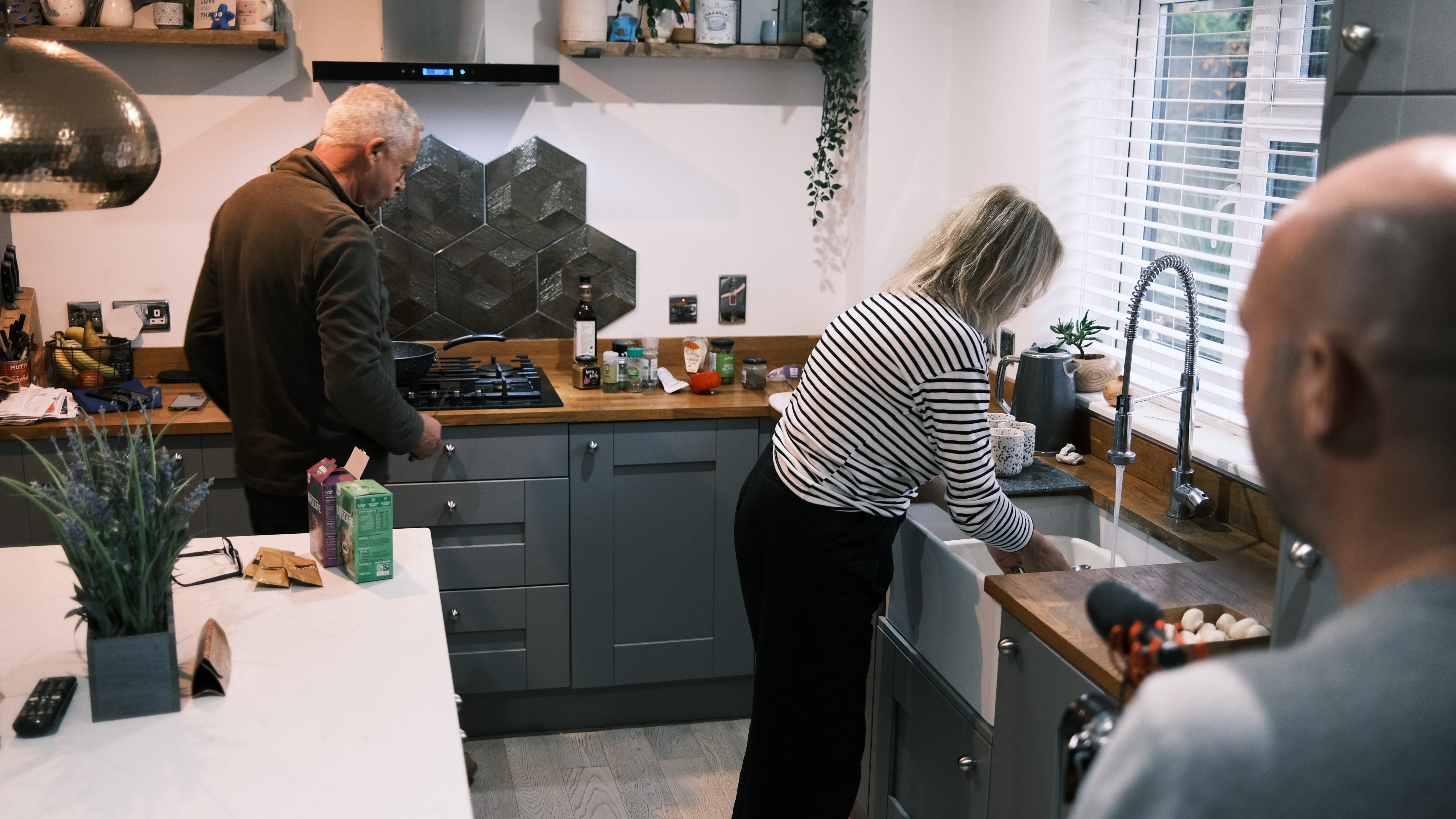
… whilst all the while, of course, very gently, subtly nudging the conversation into the spaces you want it to go. To cover off the areas the clients are paying you for. To get the insights you need.
“Often they’re most powerful when they come from a human’s mouth because we’re selling to humans and we’re human beings ourselves.”
Matt Hayes (Müller Rice)
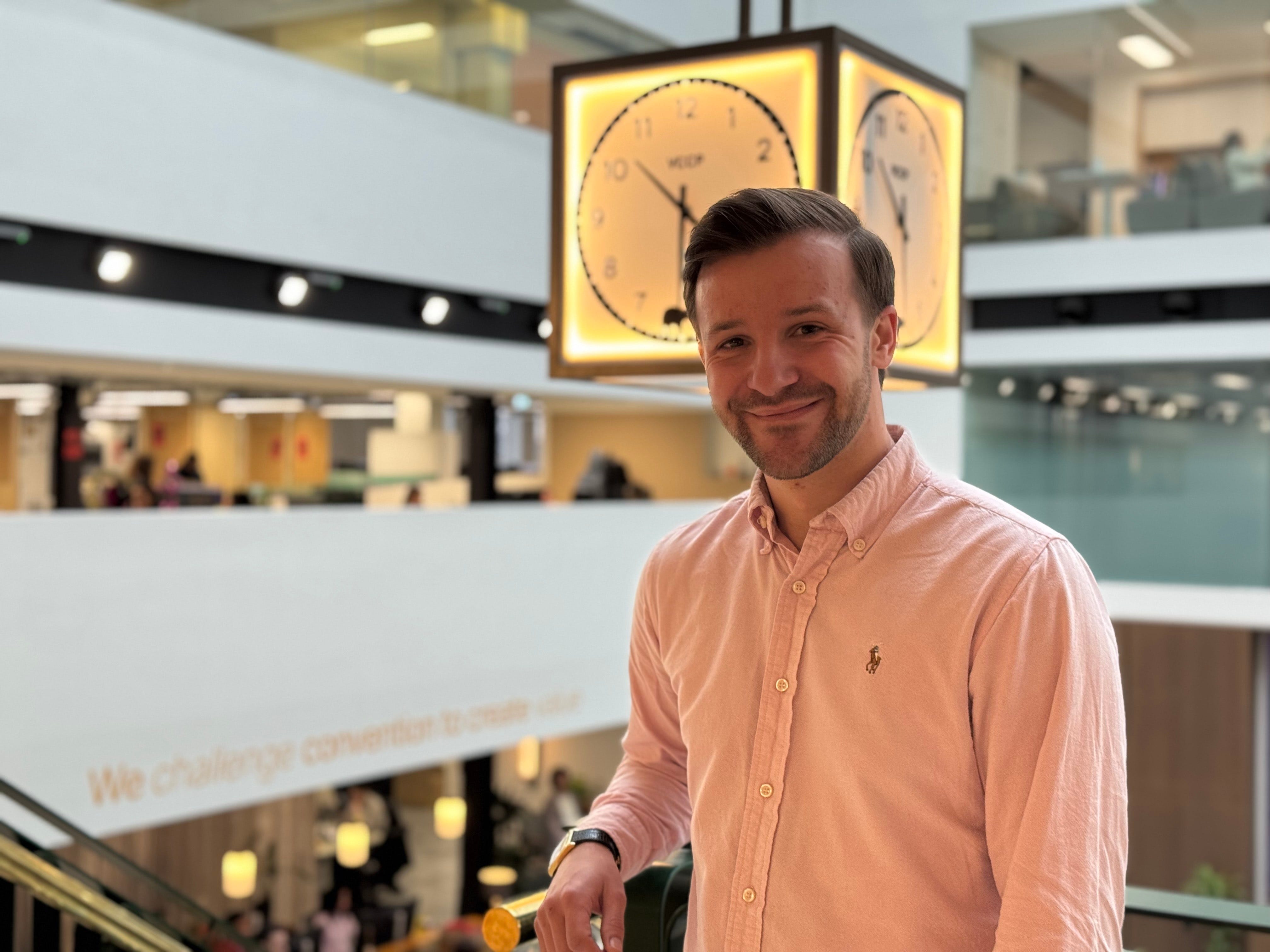
And lastly, Matt here talking about the power of human-led insight and ultimately how humans relate to other humans.
Because for all of the bluff and bluster about synthetically created AI personas, we’re yet to see a client who says they think synthetic personas and digital twins are actually better than human beings.
They might say they’re quicker, they might say they’re cheaper, but we’ve never heard a single one say that the insight they get from synthetic data can beat a real human being from a pure quality point of view.
Don’t ‘do research’, be a curious human
The more something feels like research, the more it can distance you from what you’re actually trying to understand.
It can feel a bit scary at first, but give it a go.
Whether it’s you or your research partners, experiment and explore. Let conversations flow. Let moments happen. Let your participants show you things rather than you asking specifically about things.
When you do that you don’t just get answers.
You get glimpses of real life.
The kind that stay with you.
The kind that spark something.
The kind that help unearth Reality AdvantageTM.
So, if you want to get closer to reality…
If you want insight that actually feels human…
If you want research that doesn’t feel like research…
We’d be happy to have a chat.