Launching: The Reality Advantage™
Why marketing needs human-led research more than ever

It gives us great pleasure to share with you something we’ve been working on for a while. A White Paper that outlines why we believe human-led research is more important now than ever.
It’s something you’ll hear us talking about a lot moving forward.
And it’s something that all of our businesses - Meet the 85%, Business is Humans and DOSE (coming soon) ladder up to.
Please say hello to The Reality Advantage™
1. The State of the UK: Distanced and Divided
We live in a time and a country of paradoxes.
Around the country, person to person, house to house, community to community we are:
Closer together, yet more lonely
While population densities rise in urban centres around the UK, loneliness has reached record levels. In the UK, 26 million people say they feel lonely “often or always”. And London — the most densely populated region — suffers some of the highest loneliness rates - with 700,000 saying they feel lonely ‘most’ or ‘all of the time’.
More wealth, yet more inequality
The UK has a serious inequality issue, having the 9th most unequal incomes of 38 OECD countries. The top 20% of people hold 63% of the UK’s wealth, while the bottom 20% have only 0.5% of the wealth.
More cultures, yet little interaction
We’re a country of those who ‘stick to their own’ with nearly a third of us saying we never or rarely meet people from different backgrounds.

As a people, all around the UK, street after street, we are distant and divided.
And online, the world of messaging and social media that promised to bring us closer together has made us even more distant and divided.
More information, yet a wider education gap
Google is a democratic information source that has brought us more free information than ever before in history, but it hasn't brought us closer together academically - the education gap has got wider, with research finding the attainment gap between disadvantaged pupils and their peers has widened across all educational phases since 2019.
More access to ‘the other’, yet less understanding
The UK is a more diverse nation than ever before. Yet we’re more segregated. Attempting to understand ‘the other’ via TikTok reels and other short form content does not allow for depth nor nuance, and is highly skewed by the algorithms they are at the mercy of. This is creating a polarised online world where one side shouts at the other with their fingers in their ears.
More ‘news’ but less clarity
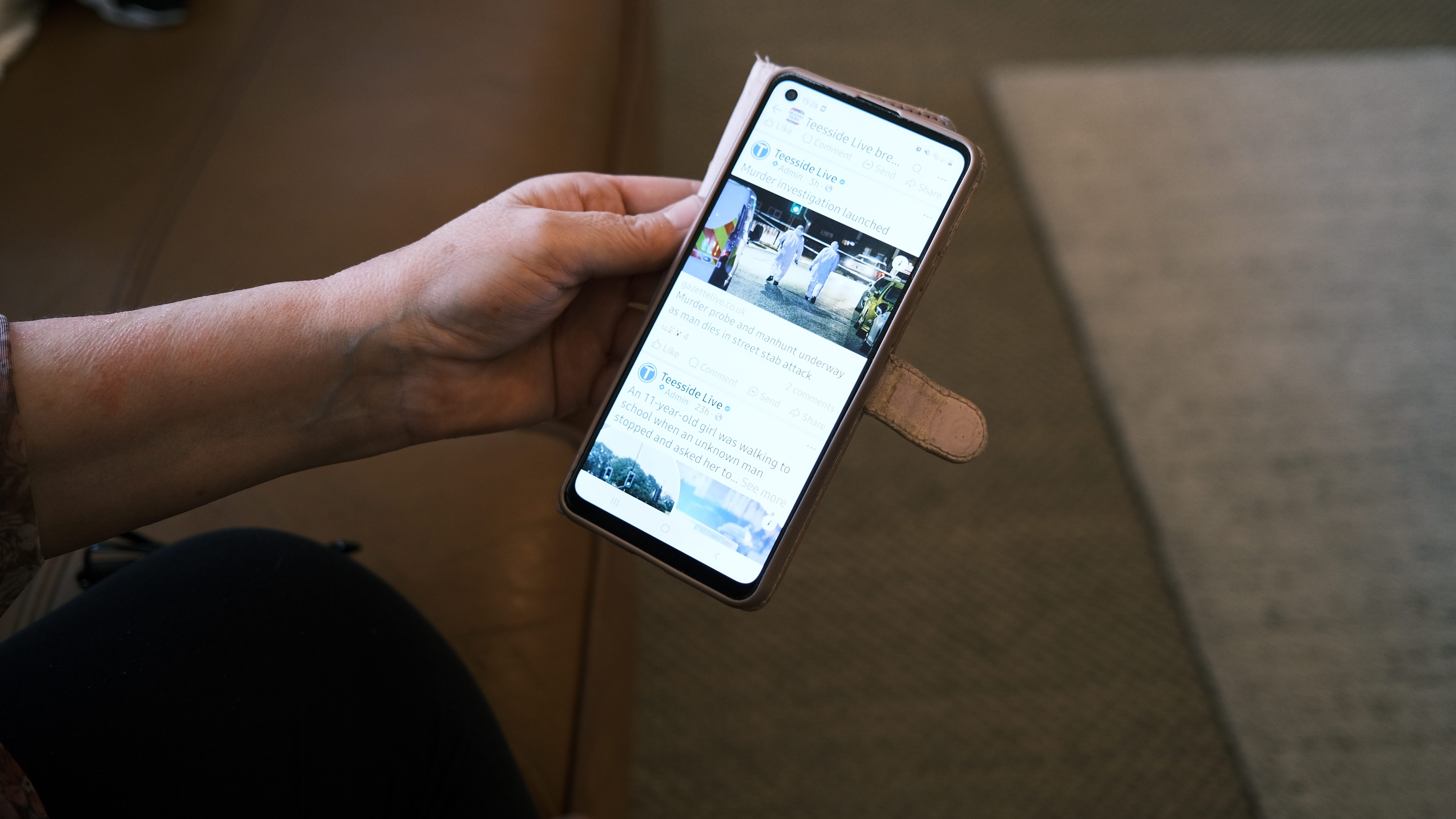
Which in turn leads to ‘news’ becoming OUR news and not THE news, as media becomes ever fragmented, less trusted and served up to us in a personalised, algorithm-fueled menu - reinforcing personal views and biases and rarely bringing us a rounded view of what is actually happening.
Less trust in the institutions
Journalists and politicians scratch this online world to try and understand what’s going on in people’s lives, and to try and understand deeply ingrained beliefs and behaviours. But as we know what’s online doesn’t chime with the realities people are living. Claimed behaviour and decisions are flawed: Poll after poll is incorrect and inaccurate. Polling repeatedly fails to predict societal outcomes accurately, as evidenced by the unexpected Brexit referendum result and the misforecast 2015 General Election.
And in this context of distance and division, businesses — consciously or not — are reflecting the same pattern.
2. The Problem with Brands and Business: Echoing the same distance and division
Brands and businesses were once created to serve people, and the best still do this.
“A business is simply an idea to make other people’s lives better”
said Richard Branson.
It is a tool to serve people, communities and society. But today’s businesses are operating at a bigger distance from the very people they exist to serve than ever before.
The marketing industry talks the talk of ‘customer centricity’ - but few are walking the walk and actually putting the needs, desires and voices of real people at the heart of their business.
As Brand Strategy expert Richard Huntington points out:
As capitalism runs rampant to the point that if unchecked, we may be looking at the end of capitalism itself, businesses are under increasing pressure:
Commercial pressure, (the ever-increasing pressure to get more from less, quicker)
Short-term shareholder demands, (the market pressure to increase share price, no matter what)
Which are, in turn, changing how those businesses strategise and make decisions:
Risk aversion (Big Data bringing a “data told me to do it” culture that creates a ‘paint by numbers’ approach to business strategy),
AI-driven shortcuts, (the promise of quicker, cheaper AND better - which is impacting headcount, confidence, skillsets… and we still don’t know what percentage of it is snake oil or not)
Due to these pressures and more, businesses increasingly rely on the seeming comfort blanket of AI (which are built from biased data and miss critical human nuance), and hide behind the comfort of category norms (which builds an ‘incremental’ mindset, when disproportionate returns are the ask).
The bottom line is Business and Brand Strategies, NPD, and business decisions are now routinely created by teams of people who are distant from the realities their customers are living.

The result is an ever increasing Reality Gap – a strategic blindspot in businesses that mirrors the societal distance and division outside the boardroom all around the UK.
3. The Consequences: Distance and Division harming Brand and Business
This systemic disconnection is harming brands and businesses.
In short: brands are being developed by people who are starved of reality and echo their own biases via AI, and businesses are becoming strangers to their own customers.
This is impacting brands and businesses in the following ways:
Work that is not representative of the UK continues to be created from liberal agency teams who seek platitudes from their peers, not the real people around the UK.
Which in turn means brands fail to connect with real people, with 74% of people saying they wouldn't care if a brand disappeared.
Which ultimately leads to declining confidence in marketing spend - bad for agencies, brands, the marketing industry and the UK economy.
Distance and Division are a root cause of all of the above.
As Henry David Thoreau said:
“The path of least resistance leads to crooked rivers and crooked men”
Which is prophetic today in the era of algorithmic convenience and synthetic shortcuts.
4. Only Marketing has this arrogance
It seems that it’s only the marketing world that believes it can create ever-increasing returns, whilst all the while reducing - and sometimes eradicating - real human insight and interactions.
Other professions combine both technology and real human interaction to work together to maximise benefits:
Doctors don’t diagnose from scans alone, they listen to the tone of your voice, they see the worry in your eyes, they feel the temperature of your skin.
Lawyers don’t win by only interrogating paperwork, they look witnesses in the eye, hear the hesitation in a voice, and analyse body language.
Architects don’t stare at a screen of CAD without reality, they walk the site, feel the wind, and see how light falls where people will gather.
Detectives don’t only work with forensic data, they knock on doors, go deep into communities and earn the trust of people that brings the truth out.
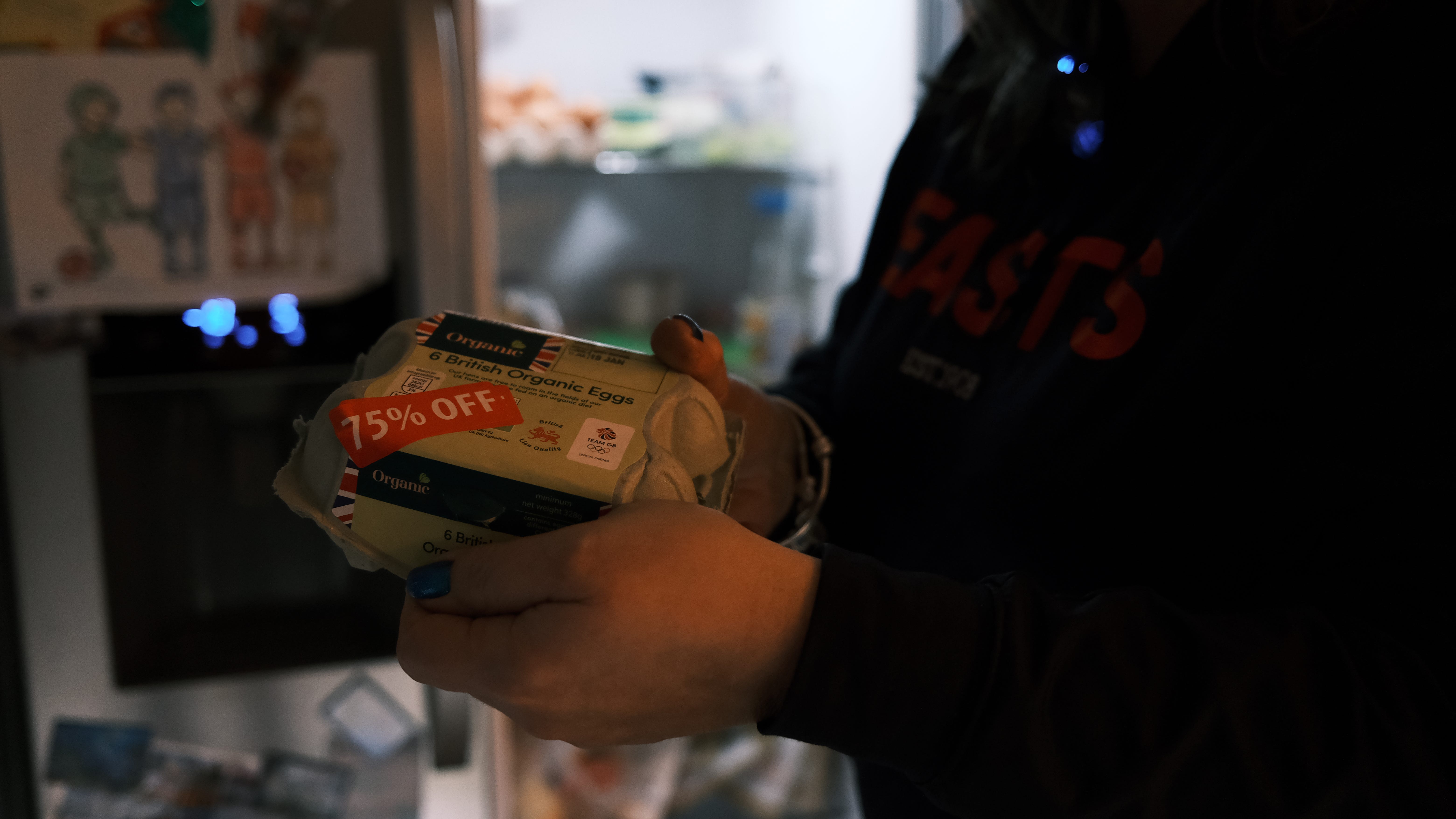
Social workers don’t understand a child’s world from the file on their computer, they visit the home, see the fridge is empty, feel the temperature in the room.
These professions all utilise cutting-edge data and technology, but they also guard the human encounter as sacred. They work with both, and see the value of both because that’s where the full truth lives.
Yet, as ever, Marketing is the odd one out. We are building brands for people, without meeting people. It’s arrogant and lazy.
5. The Solution: Reality Advantage™
The solution is simple: true human understanding as an essential ingredient to success.
Reality Advantage™ is about spending time with real people — observing, listening, understanding. It’s about re-establishing ongoing emotional and geographic proximity to the people of the UK, and their beliefs and behaviours.
It’s about understanding the people your algorithms don’t show you.
It’s about spending time with people who may not buy your products.
It’s about observing the people who sit outside your over-simplified segments.
It’s about hearing their frustrations to spot unmet needs your business can solve and capitalise on.
This simple notion of spending time and effort in the real world doesn’t replace quantitative research or AI models. It works alongside them as a key sense-check.
It acts as a ‘canary in the coalmine’ of Big Data and AI.
True human-led research isn’t suitable for every brief. It takes a bit more time than an AI prompt to your synthetic personas, and might cost more than a survey.
But at key moments — when shaping strategy, developing new products, or defining a brand’s role in society— understanding real people provides an incredible amount of value and should be a vital part of your strategic armoury.
As Scott Galloway says
“Leadership is doing the right thing, even when it hurts.”
Take a step back.
Imagine you’re telling a family member or friend down the pub how brands and businesses operate. Imagine telling them a brand is created to get people to notice them, think of them at the right time, warm to them, buy them, ‘love’ them…
… then tell them throughout that process, some brands don’t even care to chat to real people.

It’s arrogance on an industrial level.
We’re creating brands and businesses FOR people, without INCLUDING people.
If you can’t be bothered to even talk to real people, why should they care about your brand, and how dare you expect them to ‘love’ your brand.
6. The Benefits Reality Advantage™ brings to the businesses that work with it
Internal Benefits (within a brand or business):
Teams feel closer to their customers. (Meaning more people within the organisation can identify with customers and communicate with them more effectively)
Increased confidence in bold/ disruptive decisions. (Less “the data told me to” thinking, and more confidence based on the depth and emotion of true human understanding)
Shared understanding across departments. (Segments that are written in Marketing language are useless to the Call Centre or Sales Team - adding humanity increases understanding and usefulness)
A cultural shift: closing the Reality Gap. (A powerful flag in the ground for an organisation. One that exemplifies being a truly ‘customer centric’ organisation - putting real people at the heart of their brands and business)

External Benefits: (benefits to a businesses customers, prospects, communities and society)
Sharper strategies that connect. (Strategies that put real people at their heart, pull from real people’s lives and create more emotional engagement)
More resonant creative work. (Creative work that is powered by the reality of someone’s life, not star or spike ratings)
And beyond the businesses that work with Reality Advantage™, engaging with real human beings brings extra benefits:
To the Participants themselves. (Real people all around the UK who feel in daily lives that they lack influence, finally feel their voices heard)
To UK Society. (The insight that is published helps to give glimpses into the lives of others, delivering an opportunity to learn and understand away from the toxic polarity and ‘otherness’ of Social Media)
7. Reality First, Brand Second
It’s time to embrace a Reality First, Brand Second addition to your existing research.
If you’re doubtful, you need to ask yourself: Do you want to achieve ‘good enough’ or do you aspire for more?
Using only Big Data and AI, a ‘good enough’ brand can produce a good enough strategy to power ‘good enough’ marketing and ‘good enough’ advertising. It’s a process of incrementality when your objectives demand more.
These are the brands and businesses who will ignore human-led research, and will mine Big Data and AI, and they’ll do that quickly and cheaply. They’ll enter the race to the bottom because there’s always someone else prepared to do it quicker or cheaper. They’ll eventually spiral into a price-led promotion doom-loop as they fail to connect with their audiences and become nothing more than a commodity.
Yet the brands and businesses with bold marketers and bold C-Suites will be the ones that spot they have a Reality Gap, and will welcome a Reality Advantage™.
They recognise the benefits of human-led research. They know they need to go beyond narcissistic research focused on their brand or category. And they recognise the usefulness of Big Data and synthetic AI, but also know it’ll only take them so far.
They know that also understanding real life should be the strategic foundation for their brands and business.
8. From Distance and Division to Reality Advantage™
Just as society needs reconnection to bridge division and divides, businesses need to do the same.
The Reality Gap isn’t just a research problem. It’s a cultural, creative, and commercial challenge.
Reality Advantage™ is how you bridge it.